Connecticut FAIR Plan: $350,000 on the Dwelling, $1,500,000 on One Risk
James Brazil lives in Mérida, Mexico. He founded Swift Agent Sites and studied Classics at the University of Mississippi.
Published · Updated
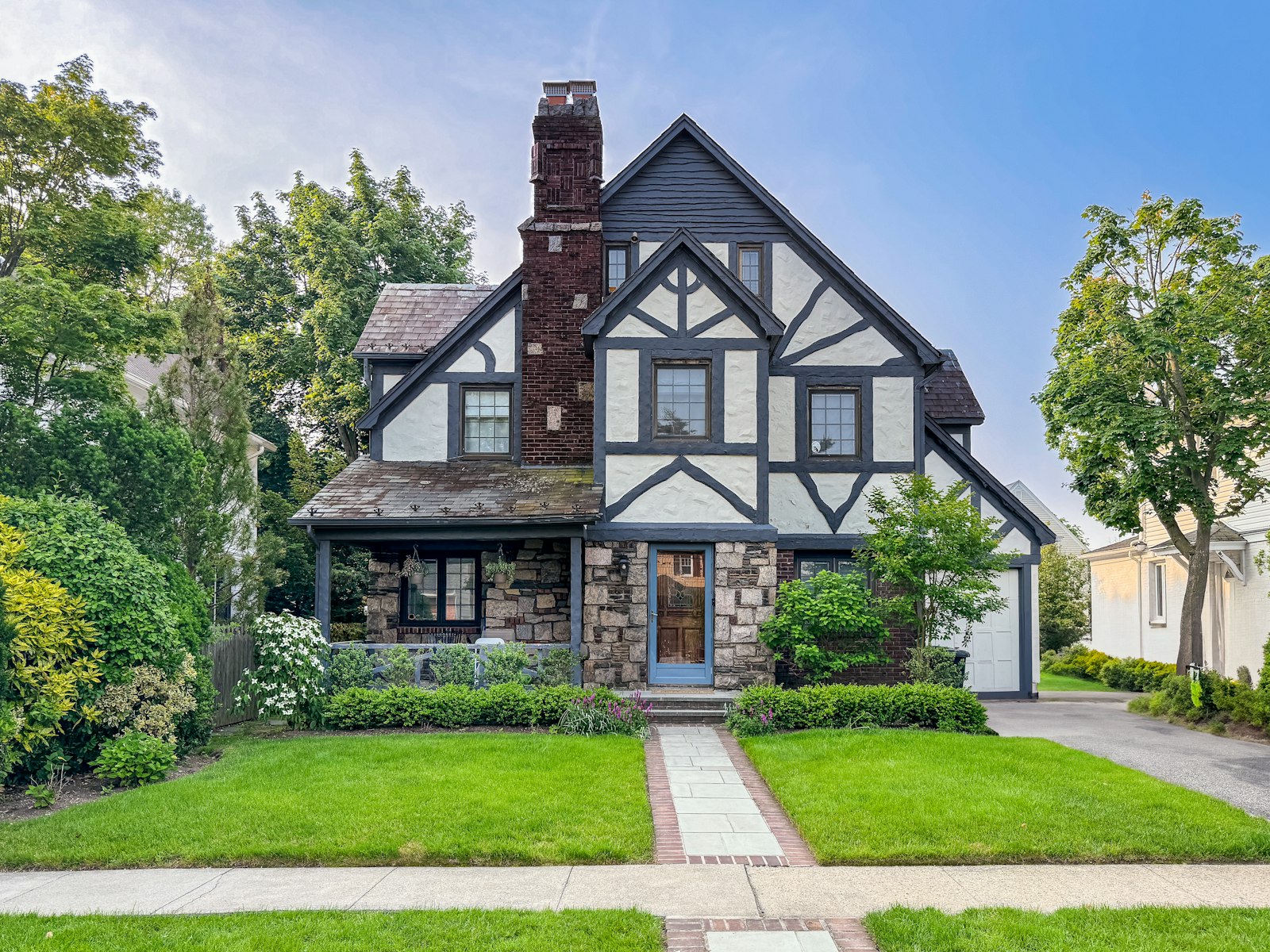
The Connecticut FAIR Plan caps a one-to-four-family dwelling at $350,000. Household contents stay at $75,000. That habitational contents cap is not doubled for sole occupancy. The current plan manual doubles only commercial contents, and the total on any one risk shall not exceed $1,500,000.
Which building gets which cap?
The $350,000 figure is the private dwelling building of one to four families. It is not a blank check for a larger apartment house. Public liability for a one-to-three-family property is capped at $300,000 in that section. A building with five or more families is commercial property on the plan's site, not this habitational line. This page does not quote a commercial building cap. The plan's coverages page and the June 2025 producer manual do not print the same dollar figure for a frame commercial building, so a commercial quote has to come from the form the plan issues.
The governing committee may increase the limits listed above. The regulation then says that in no event shall the total amount of insurance exceed $1,500,000 on any single risk. Any higher limit the committee has approved since the July 2, 2003 amendment was not in the regulation text used here. Do not quote a larger dwelling cap from a neighbor's policy or from another state's FAIR Plan. Ask the plan for the limit on your form, and compare it with 38a-328-8.
Contents are not the building
The $75,000 figure is household and personal property usual to a private dwelling unit. The Connecticut FAIR Plan site and the June 2025 producer manual list that habitational contents cap once. They do not double it when one household occupies the house. A sole occupant does not receive $150,000 of household contents from those pages.
Commercial contents are a different table. Fire-resistive construction is $250,000, ordinary masonry is $200,000, and frame construction is $200,000. The manual says those commercial content limits may be doubled for sole occupancy at a location. A one-to-four-family house is habitational. It is not that commercial table. Section 38a-328-8 lists the same commercial contents figures, and its doubling note follows that commercial list.
A flood exclusion is a separate rule. Bulletin PC-93-25 requires a plain-language flood notice on homeowners, renters, dwelling fire, and condo policies effective on or after July 1, 2026. See that notice. The FAIR Plan dollar caps in 38a-328-8 do not add flood coverage. If the form excludes flood, the $350,000 building limit does not pay a flood loss.
When the plan must answer, and when it can refuse
Section 38a-328-10 is the timing rule. If, through no fault of the applicant, coverage is not offered or denied within 20 calendar days after the inspection request is received, and the applicant pays the estimated annual premium before a report says the property is uninsurable, coverage is effective on the 21st day after the application was received, or on a later date the applicant requested. See how that day is counted. The dollar caps in this article still apply on that day. A binder does not raise the $350,000 dwelling limit.
Section 38a-328-11 lists conditions for which the plan shall decline, cancel, or nonrenew. They include vacancy or unoccupancy of 60 days or more, with a construction exception that uses 75 percent vacant for an owner-occupied dwelling of not more than three families and 65 percent for any other building. They include substantial unrepaired damage, real estate taxes unpaid for two years or more, and failure to furnish heat, water, or public lighting for 30 days or more when that failure is in the insured's control. A declination for physical condition has to rest on an inspection, has to be in writing, has to go to the applicant and the commissioner, and has to explain the appeal. A general homeowners cancellation period for the voluntary market was not fetched. Do not paste 30, 45, or 60 days onto a standard homeowners policy from this FAIR Plan list.
Complaints and other Connecticut papers
A dispute about a FAIR Plan declination can go to the Insurance Department in writing. The company, or the plan, has two weeks to respond after the Department sends the file, and may ask for an extension. See the complaint clock. The Department cannot order a payment the contract does not cover.
Auto insurance is a different statute and a different card: 25/50/25 or a $50,000 single limit, plus uninsured motorist coverage. See the auto minimums. The dwelling cap does not satisfy the auto law. A mover's certificate from CTDOT does not insure the house either. See the certificate.
What to ask before you pay the premium
Ask which limit applies to the building and which limit applies to contents. On a house, household contents stay at $75,000. Sole occupancy doubles commercial contents, not that habitational line. Ask whether the risk is near the $1,500,000 ceiling once liability and other coverages are added. Ask for the inspection date if the plan declined for condition. The writing has to explain the appeal.
Keep section 38a-328-8 with the quote. The amendment date on the text used here is July 2, 2003. If the plan's current form shows a higher dwelling limit, ask which committee action raised it. Until that writing is in your hand, the regulation's $350,000 dwelling figure and the $1,500,000 single-risk ceiling are the numbers to plan around.
FAQ
What is the dwelling cap? $350,000 for a one-to-four-family private dwelling building, in section 38a-328-8 as amended July 2, 2003.
What about furniture in a house? $75,000 of household and personal property usual to the unit. The current FAIR Plan manual does not double that habitational cap. It doubles commercial contents only: $250,000 fire resistive, $200,000 ordinary masonry, and $200,000 frame, and those commercial limits may be doubled for sole occupancy.
Can one risk be insured for more than $1,500,000? The section says the total insurance shall not exceed $1,500,000 on any single risk. Later committee increases above that ceiling were not in the text used here.
Does this policy cover flood? The dollar caps do not add flood. Read the perils, and read the July 1, 2026 flood-exclusion notice if it applies to your form.
How fast must the plan offer or deny coverage? Twenty calendar days after the inspection request, or coverage can start on the 21st day if you paid the estimated premium in time and the delay was not your fault.
Next step
Compare a house quote with $350,000 on the dwelling and $75,000 of household contents. Sole occupancy doubles commercial contents, not that $75,000 line. The ceiling on one risk is $1,500,000. Ask the plan to point to any committee increase that is higher than the published table.
Sources: Connecticut FAIR Plan, coverages and limits; Connecticut FAIR Plan producer manual, June 2025; Regulations of Connecticut State Agencies, section 38a-328-8.
This is general information for Connecticut. It is not a recommendation to buy, drop, or switch a specific policy. Confirm current details with the insurer or a licensed agent who knows your situation.
Agents who publish a lightly edited version on their own domain should set a canonical tag pointing to this URL.