Moving Out of California: FMCSA Estimates and Your Rights
James Brazil lives in Mérida, Mexico. He founded Swift Agent Sites and studied Classics at the University of Mississippi.
Published · Updated
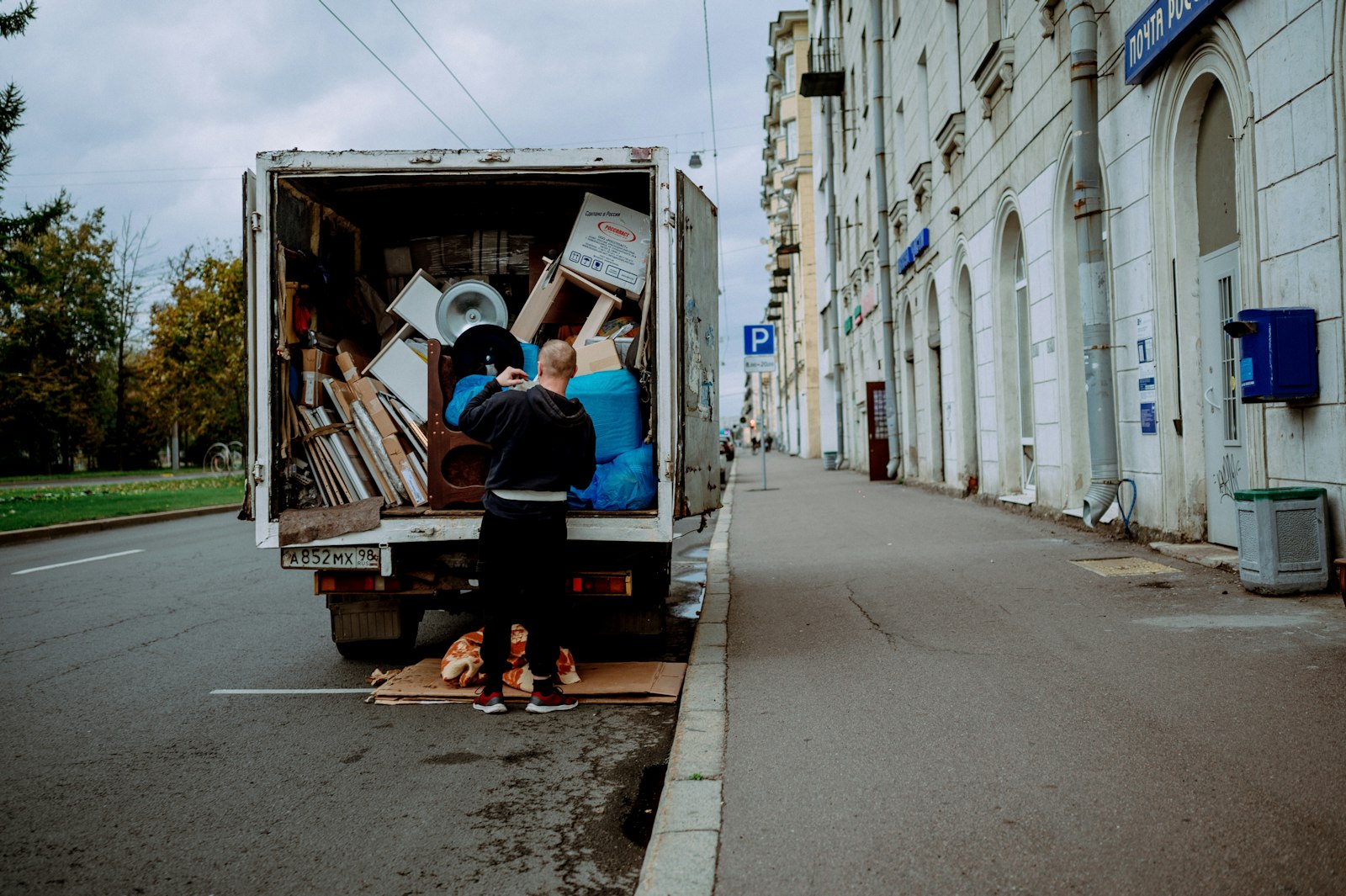
If you're moving out of California, your mover has to be registered with the Federal Motor Carrier Safety Administration (FMCSA) and licensed with California's Bureau of Household Goods and Services (BHGS). Get a written estimate based on an inspection of your things, and make sure you get the booklet Your Rights and Responsibilities When You Move.
Lots of people are doing this. The U.S. Census Bureau's Vintage 2025 estimates show California had net domestic migration of minus 229,077 in 2025. That means about that many more people moved from California to other states than moved in from them. Many of those moves started with a mover's quote.
Who regulates a move out of California?
Two agencies. A household goods move that crosses state lines is interstate, so FMCSA's federal rules apply. The mover needs a valid USDOT number and authority to haul household goods across state lines.
BHGS also requires a license for companies moving household goods into or out of California. And it takes complaints about those moves. So check both.
Moves that stay inside the state follow California's own rules, with a not-to-exceed price. See how to hire a BHGS-licensed mover for that process.
What documents should an interstate mover give me?
Under FMCSA rules, before the move you should get:
- A written estimate, signed and dated by you and the mover
- The booklet Your Rights and Responsibilities When You Move
- FMCSA's Ready to Move brochure, or a link to it
- Information about the mover's arbitration program
- Written notice of how to see the mover's tariff, which lists its rates
- An explanation of how claims work
BHGS adds a few California-specific points for interstate moves. You and the mover both sign the estimate. The mover has to give you an itemized inventory you can check. And at least three days before the move, the company should give you the moving agreement or bill of lading.
Don't sign anything blank or half filled in.
How do I check out an interstate mover?
FMCSA's Protect Your Move steps come down to this:
- Get written estimates from several movers, each based on an in-person or virtual survey of your things
- Confirm the mover has a USDOT number and is authorized and insured for interstate household goods
- Look up its registration and complaint history in the FMCSA mover search
- Don't choose on price alone
- Read Your Rights and Responsibilities When You Move before you sign
Then check the BHGS license search for the same company. A quick mover check is a handy first screen, but use the official lookups before you pay a deposit.
BHGS recommends doing the inspection in person. For interstate moves, it calls this a physical survey.
Binding or non-binding estimate?
Know which one you have. BHGS explains the difference this way:
- Binding. It guarantees the total cost of the move unless you ask for more services. You and the mover update it in writing before loading if anything changes
- Non-binding. It estimates the cost, and the final bill depends on the actual weight of your shipment
FMCSA's 110 percent rule gives you some protection on a non-binding estimate. At delivery, the mover generally can't make you pay more than 10% above it. Any balance is billed later.
A binding estimate is usually the safer pick for a long-haul move. Show the estimator everything, including the garage, the attic, and the backyard shed.
What protection do I get if something is lost or damaged?
Interstate movers must offer two valuation options:
- Full Value Protection. The default. The mover is liable for the replacement value of lost or damaged goods, up to the limits in its tariff. It costs more
- Released Value. No extra charge, but the mover pays no more than 60 cents per pound per item. You only get this if you sign a statement choosing it
Sixty cents a pound is a shock for most people after a loss. Ask your insurance agent whether your homeowners or renters policy covers anything in transit, too.
If you do have a claim, FMCSA rules generally give you nine months from delivery to file in writing with the mover. Note visible damage on the delivery paperwork before you sign.
Selling your California home first?
Plan the move around the sale. If you're selling, sellers have disclosure duties that can shift the timeline. Book movers early once you have a closing date. Summer and month-end dates fill up first.
FAQ
Does a mover need a USDOT number to move me out of California?
Yes. Any mover taking household goods across state lines must be registered with FMCSA and have a valid USDOT number plus interstate authority.
Does an interstate mover also need a California license?
Yes. BHGS says companies moving household goods into or out of California must be licensed with the bureau as well as FMCSA.
What is the 110 percent rule?
For a non-binding estimate, the mover generally can't require you to pay more than 10% above the estimate at delivery.
How much does Released Value pay?
No more than 60 cents per pound per item. Full Value Protection covers replacement value and is the default unless you sign to waive it.
How long do I have to file a damage claim?
Generally nine months from delivery, in writing, with the mover.
Next step
If you're selling in California and buying elsewhere, a licensed local agent can help you time both closings and the truck. Ask for mover names other clients used, then check each one with FMCSA and BHGS. More guides are on the California movers page.
Sources: FMCSA: Protect Your Move, BHGS: Household Moving, U.S. Census Bureau Vintage 2025 state population estimates.
Before you hire: Check a moving company's federal authority and insurance free, from FMCSA's records.
General notes for moves in and out of California. Not a quote or a recommendation of any specific company. Confirm details with the mover you hire.
Agents who publish a lightly edited version on their own domain should set a canonical tag pointing to this URL.
List your business on the California hub, free: Transportation