California Prop 19: Moving Your Tax Base at 55+
James Brazil lives in Mérida, Mexico. He founded Swift Agent Sites and studied Classics at the University of Mississippi.
Published · Updated
Real estate for buyers · Real estate for sellers
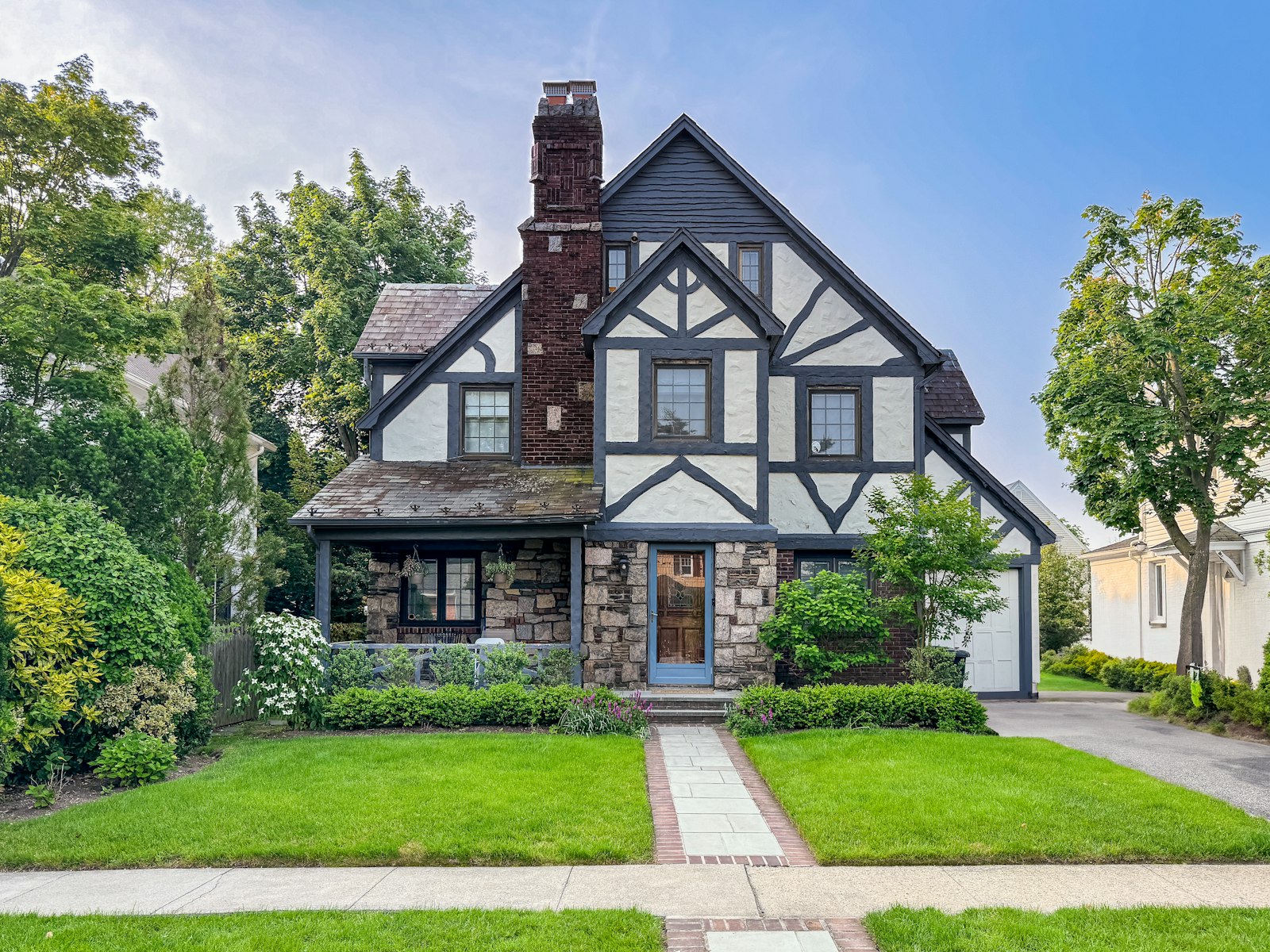
Under Proposition 19, California homeowners who are 55 or older, severely and permanently disabled, or victims of a wildfire or natural disaster can move their property tax base to a replacement home anywhere in the state. You can do it up to three times. The replacement has to be bought or built within two years of selling the original.
This is one of the biggest money questions for older California owners thinking about downsizing. A low Prop 13 tax base built up over decades can be worth thousands of dollars a year. Prop 19 lets you keep a lot of it, if you get the timing and the value test right.
Who qualifies for a Prop 19 base year transfer?
The State Board of Equalization (BOE) lists three groups. You only need to fit one:
- Homeowners at least 55 years old
- Homeowners who are severely and permanently disabled
- Homeowners whose principal residence was damaged by a wildfire or a natural disaster declared by the Governor
You must meet the qualification on the date the original home is sold. The original home also has to be your principal residence and eligible for the homeowners' or disabled veterans' exemption, either when you sell it or within two years of buying the replacement. The BOE says there's no minimum time you have to have lived there.
What are the timing rules?
Buy or build the replacement within two years of selling the original. The order can go either way.
The BOE says that if you buy the replacement first, the original has to sell within two years of that purchase. There's a cost to doing it that way. Until the original sells, you pay property tax on the replacement at its full market value, and there's no refund for that period.
This is not done through escrow. The BOE is direct about it: you file a claim form with the assessor in the county where the replacement home is located, after both deals close and you're living in the new place.
How does the value test work?
This is where Prop 19 differs most from the old rules. Under Props 60 and 90, the replacement had to be of equal or lesser value, and usually in the same county. Under Prop 19, the replacement can be any value, anywhere in California.
If it's of "equal or lesser value," your old base year value transfers with no adjustment. The BOE defines that as:
- 100% or less of the original home's market value, if you bought the replacement before selling
- 105% or less, if you bought within the first year after selling
- 110% or less, if you bought within the second year after selling
If the replacement costs more, you still get a transfer. The difference is added on top.
The BOE gives this example. You sell a home worth $400,000 with a factored base year value of $100,000. Within a year, you buy a $600,000 replacement. The adjusted value of the original is $420,000 (105% of $400,000). The $180,000 difference gets added to your $100,000 base. Your new taxable value is $280,000, not $600,000.
Which form do I file?
File with the assessor in the county where the replacement is located, within three years of buying or finishing the replacement:
- BOE-19-B for persons at least age 55
- BOE-19-D and BOE-19-DC for severely and permanently disabled persons, with a certificate of disability
- BOE-19-V for victims of wildfire or other natural disaster
Don't wait for the deadline. File once you've moved in and both transactions are recorded.
Can I use it if my child is on title?
Yes. The BOE says you don't have to be the sole owner of the replacement home. As long as you're one of the purchasers and you owned and lived in the original, you can transfer your base year value to the entire replacement home.
The BOE also says a homeowner who already used Prop 60 or 90 once can still use Prop 19 three more times.
Inherited homes have their own Prop 19 rules on parent-child transfers. Those are separate and stricter. Talk to a tax professional about those.
What should I do before I list?
Get the numbers first. Ask the assessor for your current factored base year value. Get a realistic estimate of what your home would sell for. Then figure out what replacement price keeps you inside the 100%, 105%, or 110% line.
After you buy, file the homeowners' exemption on the new place too. See supplemental tax bills and the $7,000 exemption for how that works. And check what's happening in your target market. Our California housing market update has the latest statewide numbers.
FAQ
How many times can I use Prop 19 to transfer my tax base?
Three times, for qualifying owners 55 and older or severely disabled, according to the BOE.
Can I move to a different county?
Yes. Under Prop 19, the replacement home can be anywhere in California.
Can the replacement home cost more than my old one?
Yes. You still get a transfer, but the amount above the equal-or-lesser-value line is added to your transferred base.
Is the transfer handled in escrow?
No. You file the claim with the replacement county's assessor after both transactions are done and you live in the new home.
What's the filing deadline?
Within three years of buying the replacement or completing its new construction.
Next step
A licensed local real estate agent can help you price both sides of a Prop 19 move and time the sale and purchase so the replacement stays within the value test. Pair that with your county assessor and a tax professional for the filing. More guides are on the California real estate page.
Sources: BOE: Proposition 19.
Before you hire: California has 291,576 active real estate licenses, from the California Department of Real Estate's file as of 7 November 2026. Check any agent's license free.
General information for California. Not a prediction of prices or advice for any specific property. Confirm current rules and local conditions with the county assessor and a licensed agent.
Agents who publish a lightly edited version on their own domain should set a canonical tag pointing to this URL.
List your business on the California hub, free: Real estate