Federal Household-Goods Rules Apply When an Alabama Move Crosses a State Line
James Brazil lives in Mérida, Mexico. He founded Swift Agent Sites and studied Classics at the University of Mississippi.
Published · Updated
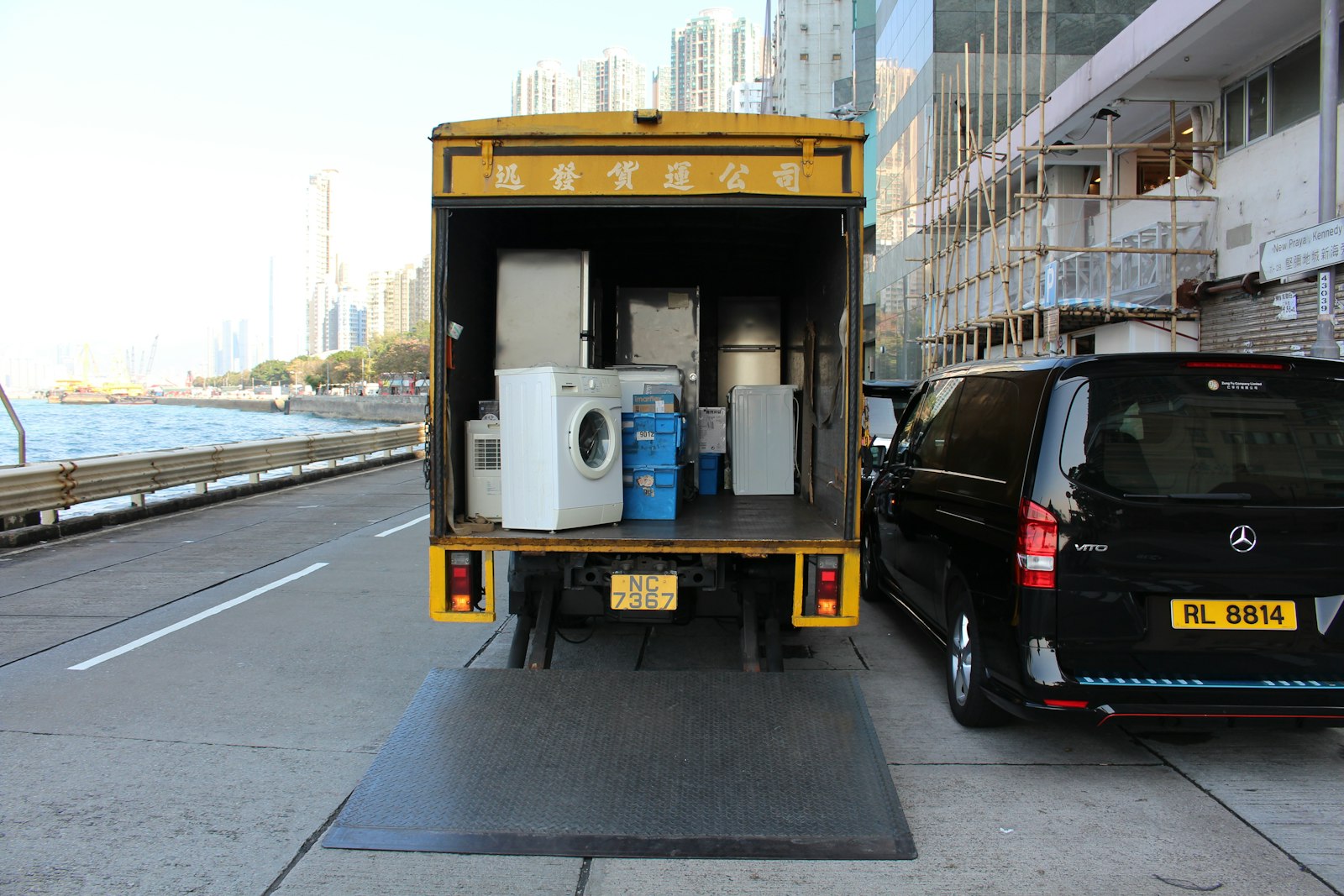
When a household-goods shipment crosses a state line, federal consumer rules on ProtectYourMove.gov apply, even if the truck starts or ends in Alabama. Those rules cover written estimates, the order for service, the bill of lading, the inventory, and the official rights pamphlet. An APSC certificate covers in-state authority, not interstate work.
If you are leaving Alabama or moving into Alabama from another state, ask the company for its federal registration information and read the estimate before the load date. Do not rely on a local website claim that the mover is "fully licensed" without checking the federal and, if some legs stay in-state, the APSC records.
What documents should you have before the truck is loaded?
The federal consumer process is built on papers:
- A written estimate, with the mover's legal name and the services included.
- An order for service.
- A bill of lading, which is the contract for the interstate shipment.
- An inventory of the goods, in the usual household-goods move.
- The official rights-and-responsibilities pamphlet.
Read the estimate for binding or non-binding terms, packing charges, storage, extra services, and the valuation option. Federal valuation and claim rules are explained on the official site. This article does not invent a released-value rate or a deadline that the current federal pamphlet does not state. If a figure is important to you, confirm it on ProtectYourMove.gov and on the form you sign.
Do not sign blank documents. If the mover wants to change the estimate after a walk-through, get the new figure in writing before the load. Photograph high-value items and the condition of furniture. Make sure the name on the bill of lading is the name you checked.
How do complaints and claims work on an interstate shipment?
Company claims come first, using the process in the bill of lading and the federal rules. If you need to complain about an interstate mover, use the official federal path described on ProtectYourMove.gov. Keep the bill of lading, estimate, inventory, and photographs. APSC Consumer Services at 1-800-392-8050 or 334-242-5218 remains the official in-state contact, but it is not the federal household-goods office.
If some of your goods are damaged and you also have a renters or homeowners claim, that insurance claim is separate and, if needed, can go to the Alabama Department of Insurance after you contact the insurer. Do not assume one office will process both the mover claim and the insurance claim.
What else changes when you arrive in Alabama?
New residents have official motor-vehicle deadlines that often coincide with an interstate delivery. ALEA allows 30 days after you become a resident to obtain an Alabama driver license if you hold a valid license from the prior state. The Department of Revenue allows 30 days from the date a non-commercial vehicle with a valid out-of-state registration enters Alabama to register that vehicle, and requires an Alabama liability policy. If you are moving out of a rental, section 35-9A-201 gives the landlord 60 days after termination and delivery of possession to refund the deposit or mail an itemized accounting.
Budget those calendar items alongside the delivery window in the bill of lading. If the interstate mover is late, follow the federal document in your hand and the official complaint process, and still plan the license, registration, and deposit steps so those deadlines are not missed because the truck was late.
If your Alabama move will cross a state line, talk with a licensed local agent about goods-in-transit or a new auto policy, and use the federal household-goods documents on ProtectYourMove.gov before you let the truck be loaded.
Check the company's federal consumer record on the official site and ask whether the crew at your door is the carrier named on the bill of lading or a hired agent. If a local name on the truck does not match the bill of lading, stop and call the office listed on the federal paperwork before the load leaves. Delivery windows on interstate shipments can be a span of days rather than a single hour; read the dates on the order for service and plan occupancy, elevator reservations, and pet boarding around that window.
Valuation is a separate choice from auto or homeowners insurance. If you decline extra valuation, understand what the federal default will pay after a loss, as explained on ProtectYourMove.gov. If you purchase a higher valuation, get the charge and the deductible in the estimate and the bill of lading. After delivery, file a claim within the time the official rules and the bill of lading require, and keep the inventory that was signed at both ends of the trip.
If you will need temporary storage in transit, ask whether that storage remains under the interstate bill of lading or converts to a warehouse arrangement, and get the location in writing. A storage change can affect both charges and claims, and it should not be a surprise at the destination door.
FAQ
When do federal moving rules apply?
When the household-goods shipment goes from one state to another, including a shipment that starts in Alabama and ends elsewhere, or the reverse.
What official site explains my interstate rights?
ProtectYourMove.gov is the official federal consumer site. It describes estimates, the order for service, the bill of lading, inventories, valuation, and complaints.
Does an APSC certificate cover an interstate move?
No. The commission's certificate is for transportation between points in Alabama, unless an exemption applies. Interstate work requires federal household-goods authority.
Who handles an interstate complaint?
Follow the federal complaint process on ProtectYourMove.gov. Use APSC Consumer Services for in-state authority issues, and ALDOI only for a complaint about an insurance company or producer.
Sources: ProtectYourMove.gov, APSC Motor Carrier Applications and Forms, ALEA Driver License Information, Alabama Department of Revenue new-resident registration FAQ, Code of Alabama section 35-9A-201.
Before you hire: Check a moving company's federal authority and insurance free, from FMCSA's records.
General notes for moves in and to Alabama. Not a quote or a recommendation of any specific company. Confirm details with the mover you hire.
Agents who publish a lightly edited version on their own domain should set a canonical tag pointing to this URL.
List your business on the Alabama hub, free: Transportation